Inexpensive Reproducible Ultrasound Scrotum Simulators
Overview
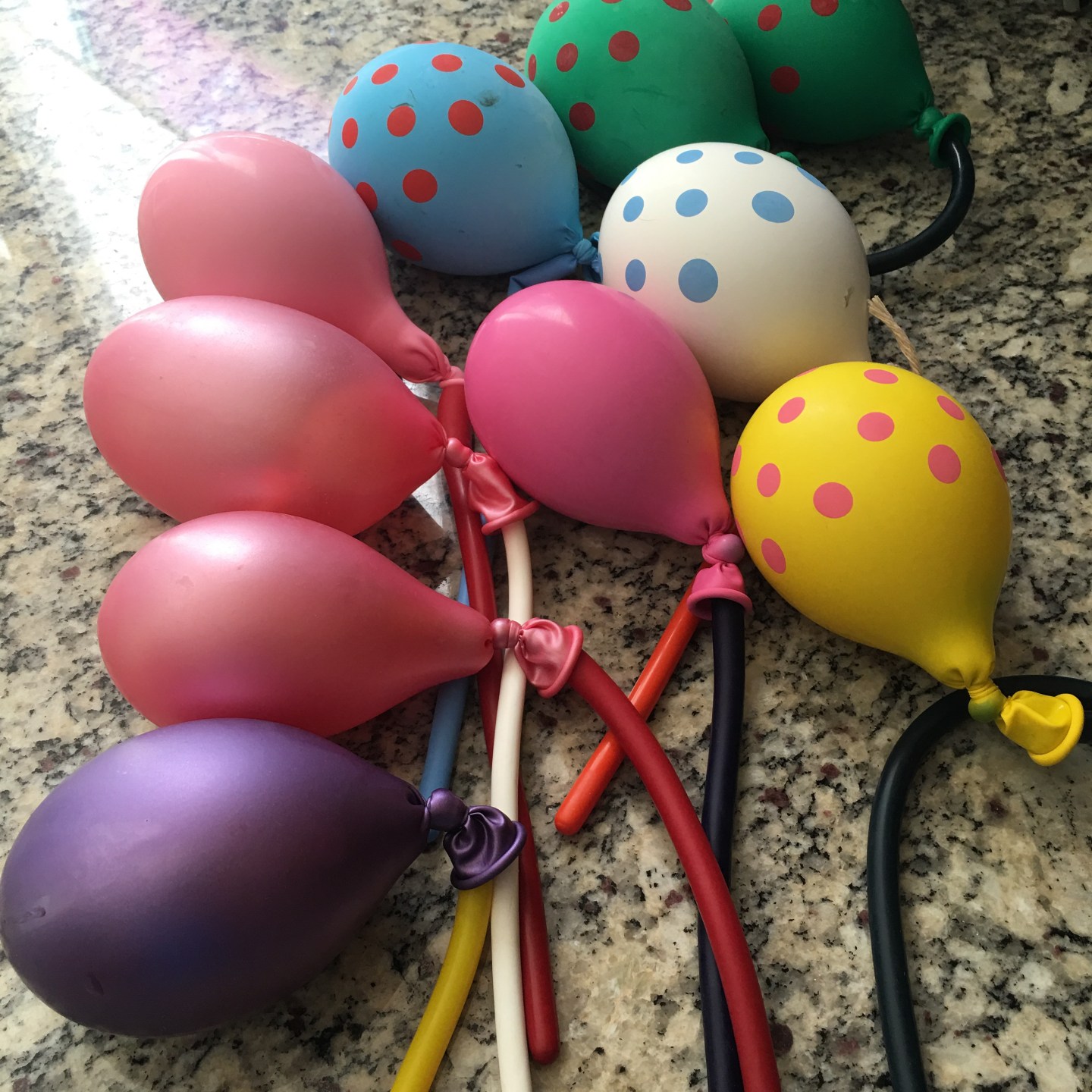
This guide describes how to build low-cost scrotal ultrasound phantoms using balloons, psyllium husk, and gelatin. The models simulate normal and abnormal testicular anatomy including hydroceles, epididymal cysts, masses, foreign bodies, infarction, and testicular rupture. They were designed for teaching scrotal POCUS technique to medical students and emergency medicine residents. Approximately 12 models can be built for around $20 in about 3-4 hours.
Materials
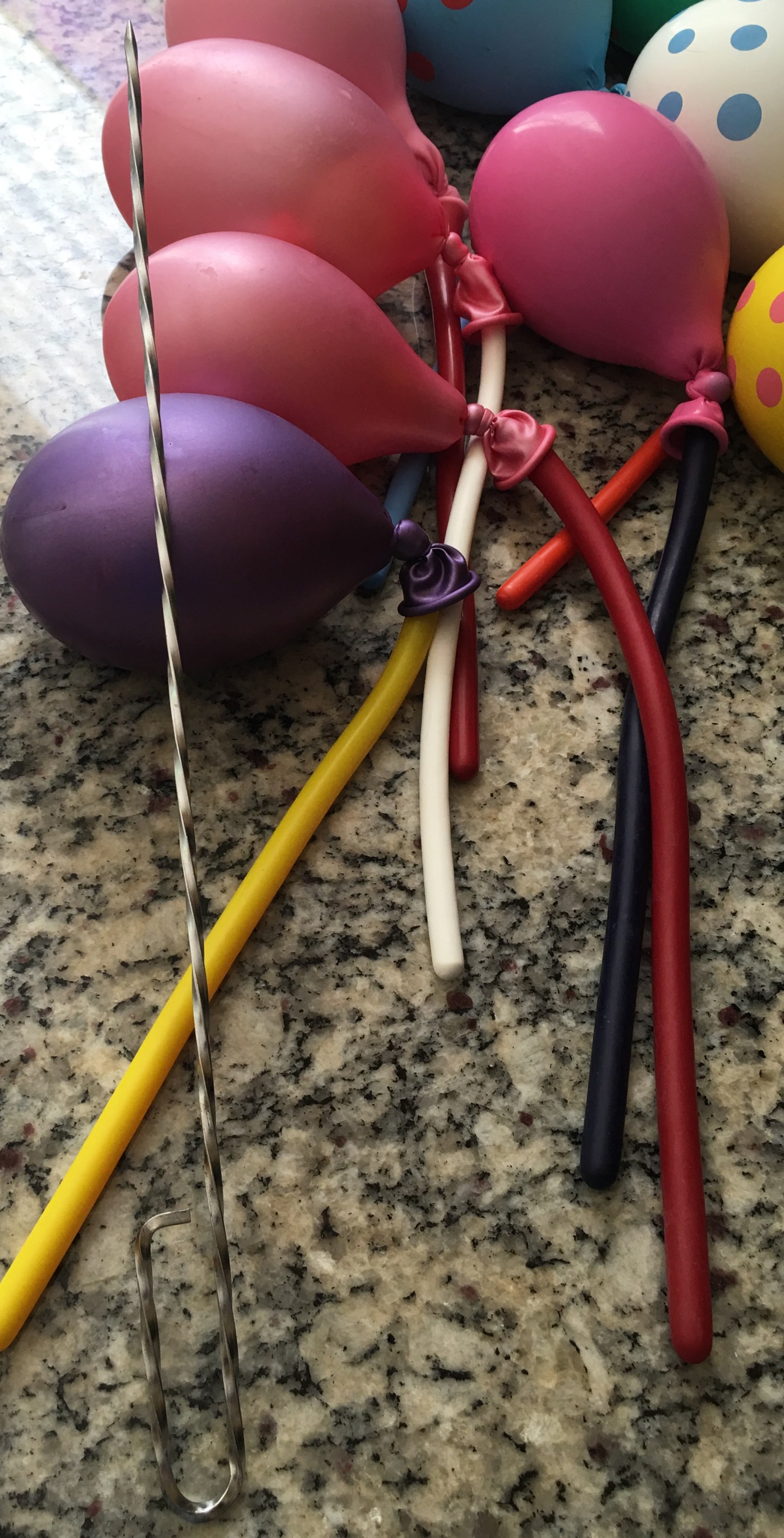
- Large party balloons (quantity as needed, multiple per model)
- Long/thin balloons for balloon animals (quantity as needed)
- Water balloons (quantity as needed)
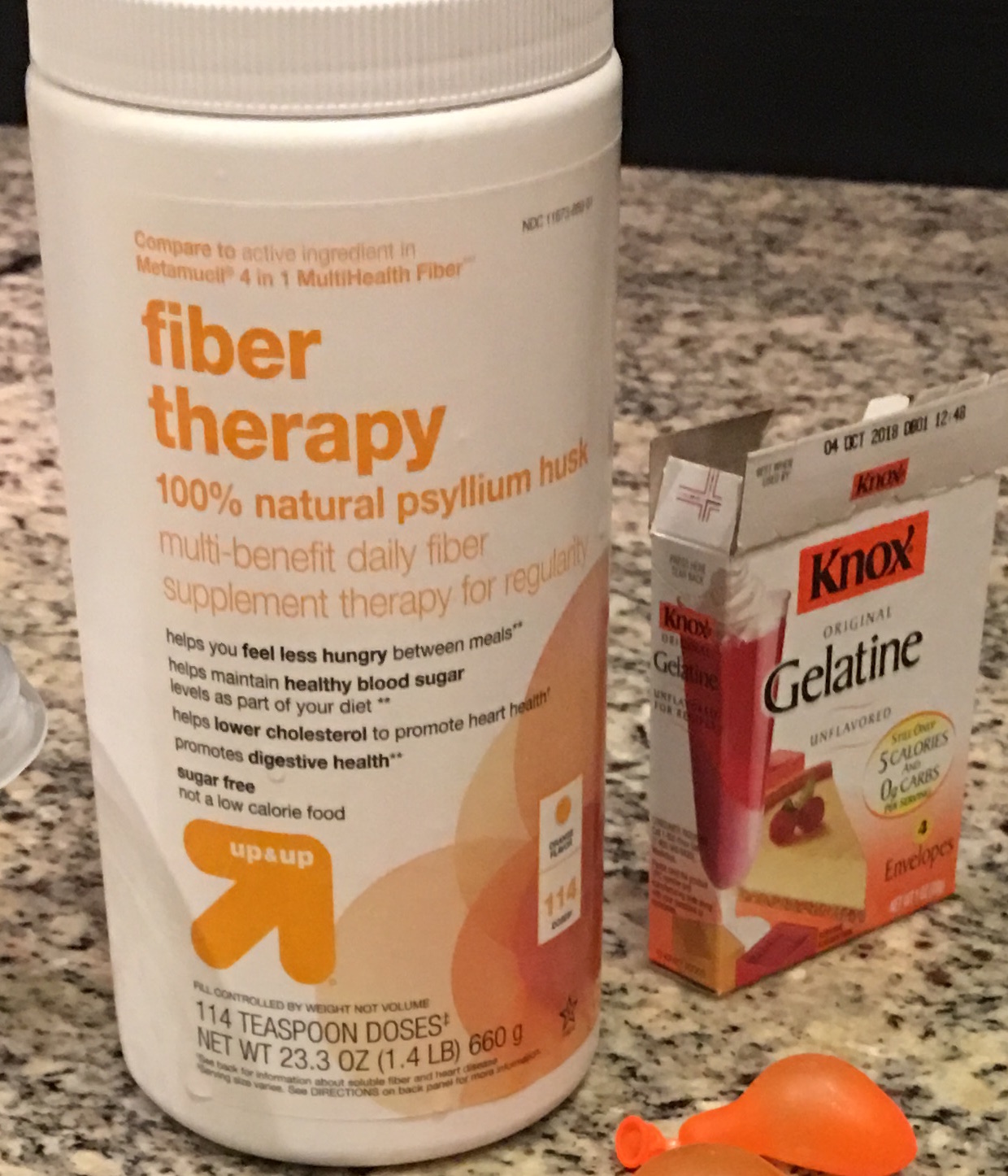
- Sugar-free psyllium husk (e.g., Metamucil, sugar-free unflavored)
- Powdered unflavored gelatin (4 packets per ~6 cups water)
- Manual water balloon pump
- Metal or wood skewer (for testicular rupture models)
- Garbanzo beans or other beans (for mass simulation)
- Cherry pits, cherries, or other seeds/nuts (for foreign body simulation)
- Ultrasound gel (required for scanning)
- Water
- Bowl for mixing
- Refrigerator
Steps
Boil Water for Gelatin
Boil water as directed on the back of the gelatin box as if making Jell-O. This is typically 4 packets of gelatin to 6 cups of water.
Mix Psyllium into Hot Water
Pour the hot water into a bowl and mix in the sugar-free psyllium husk. Add enough psyllium so the water becomes opaque and you cannot see through it, but not so much that it fails to fully dissolve. Mix thoroughly until fully dissolved with no clumps. This step is particularly important.
Mix in Gelatin
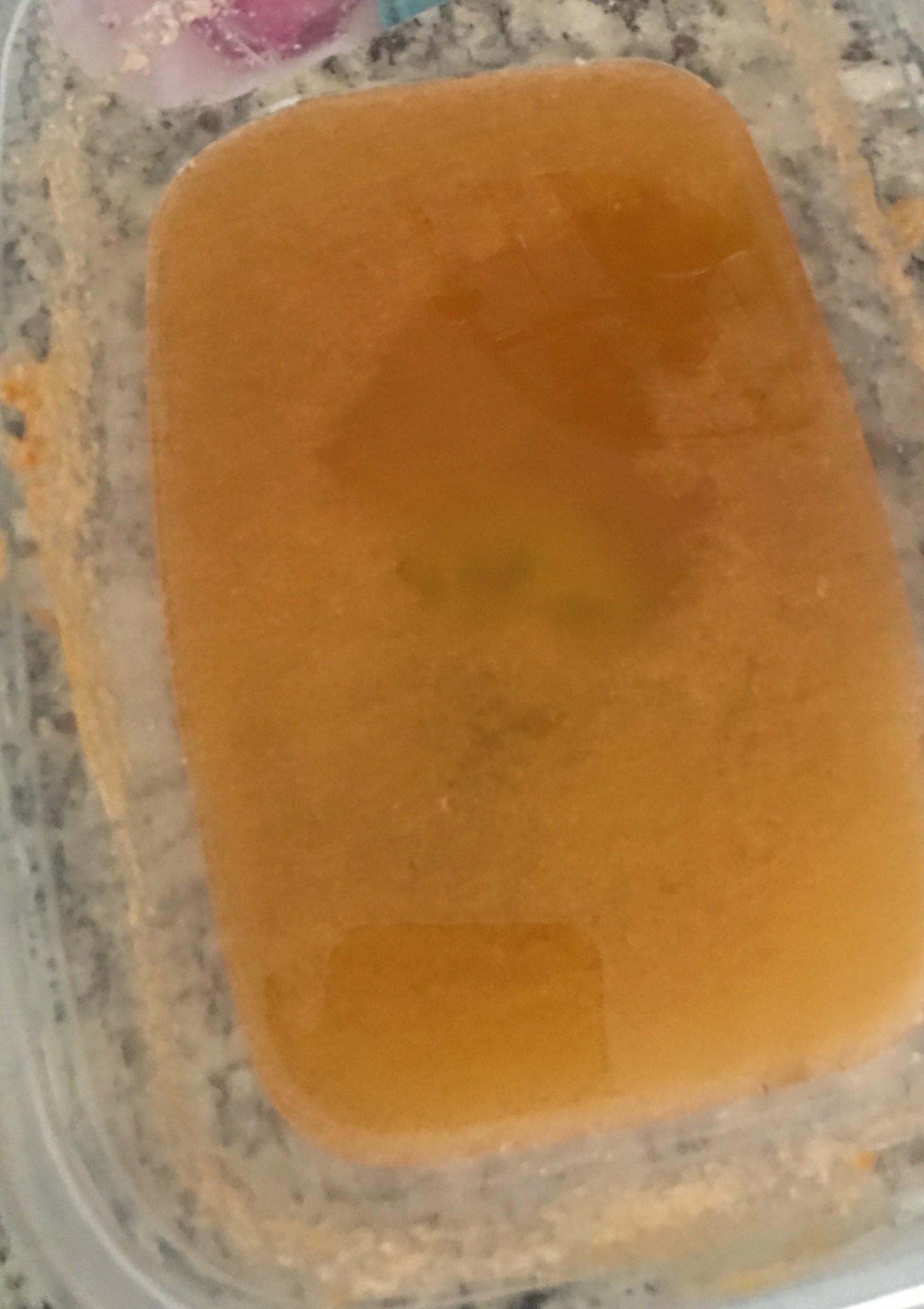
Add the unflavored powdered gelatin to the psyllium-water mixture and stir until fully dissolved, as if making Jell-O. This standard concentration will produce models that appear as normal testicles on ultrasound. For models simulating testicular infarction or rupture (without physically rupturing), use half the recommended amount of gelatin.
Add Inclusions for Pathology Models
If creating models with masses or foreign bodies, place garbanzo beans (preferred for masses) or cherry pits/cherries (for foreign bodies) inside the water balloon before filling it with the psyllium/gelatin solution.
Fill Water Balloon Pump
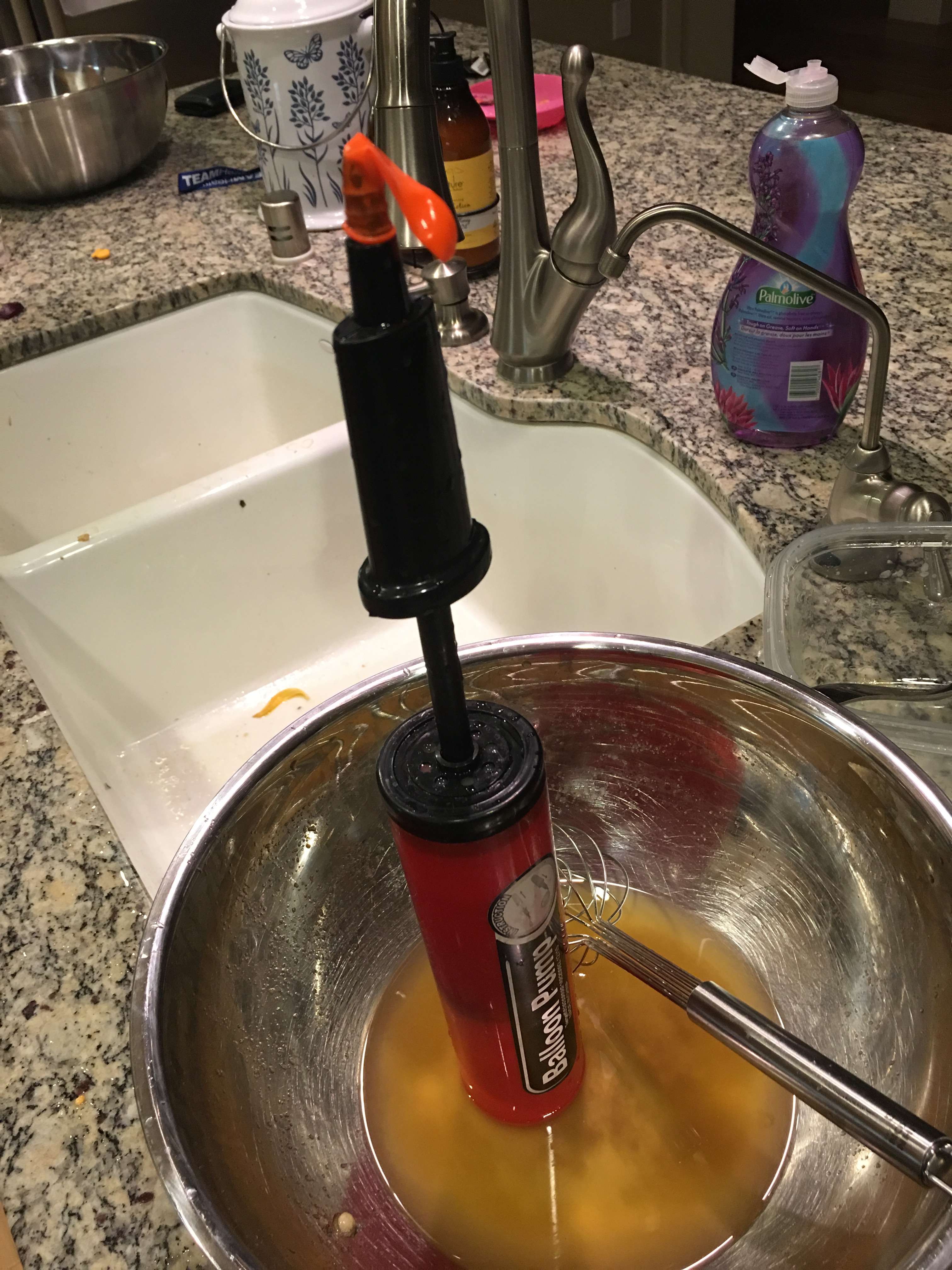
Once the solution has cooled slightly but before it solidifies, fill the manual water balloon pump with the psyllium/gelatin solution.
Fill and Tie Water Balloons
Use the pump to fill water balloons with the psyllium/gelatin solution to the desired testicular size. Tie each balloon off with a knot. These serve as the testicular component of the model.
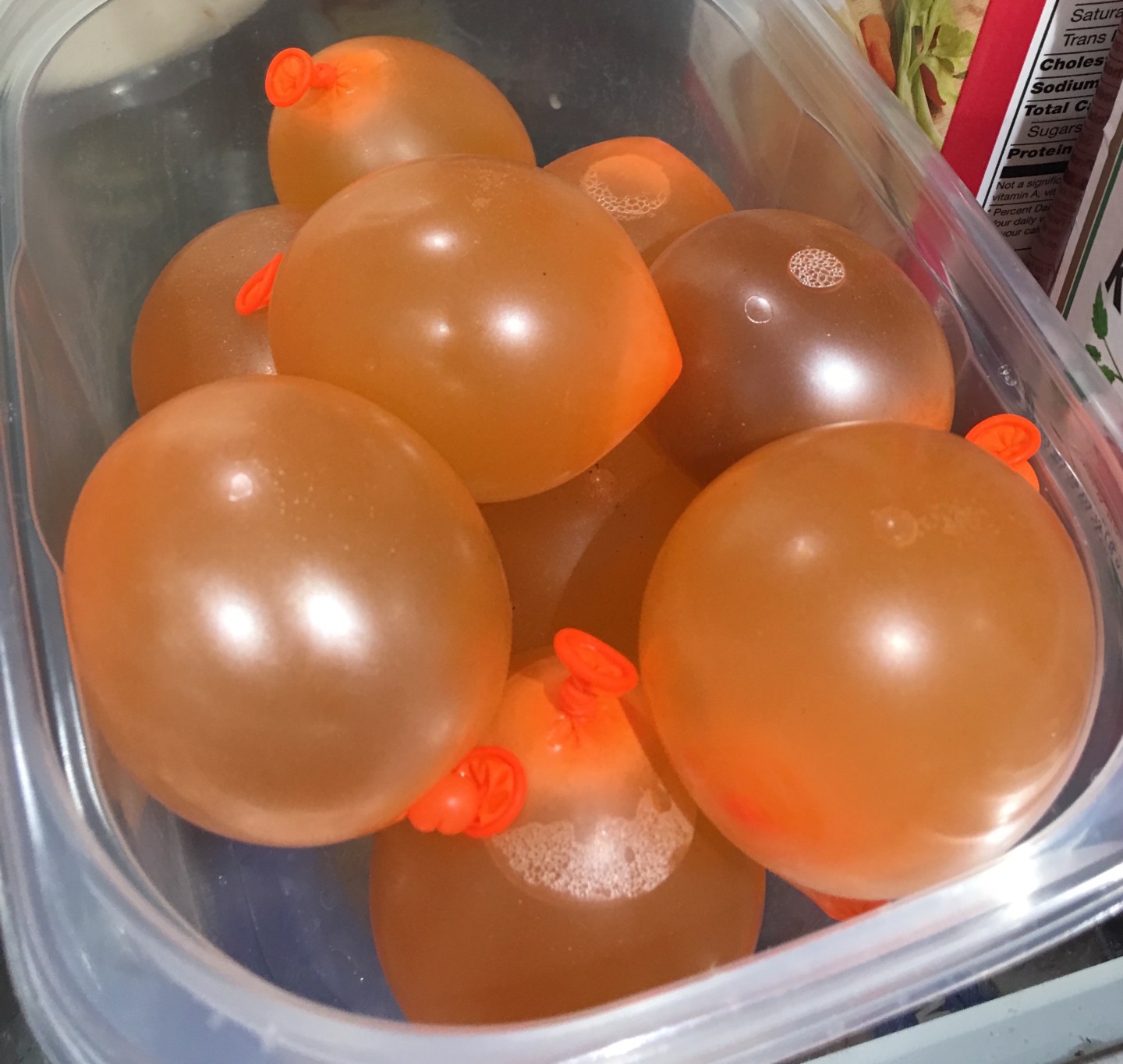
Fill and Tie Long Thin Balloons
Fill the same number of long/thin balloons with the psyllium/gelatin solution. Overfill a small portion at one end so it expands outward — this expanded portion represents the epididymal head. The elongated portion represents the epididymal tail or spermatic cord. For an epididymal cyst, fill that portion with plain water. Tie the balloon off. Remove all air during this step.
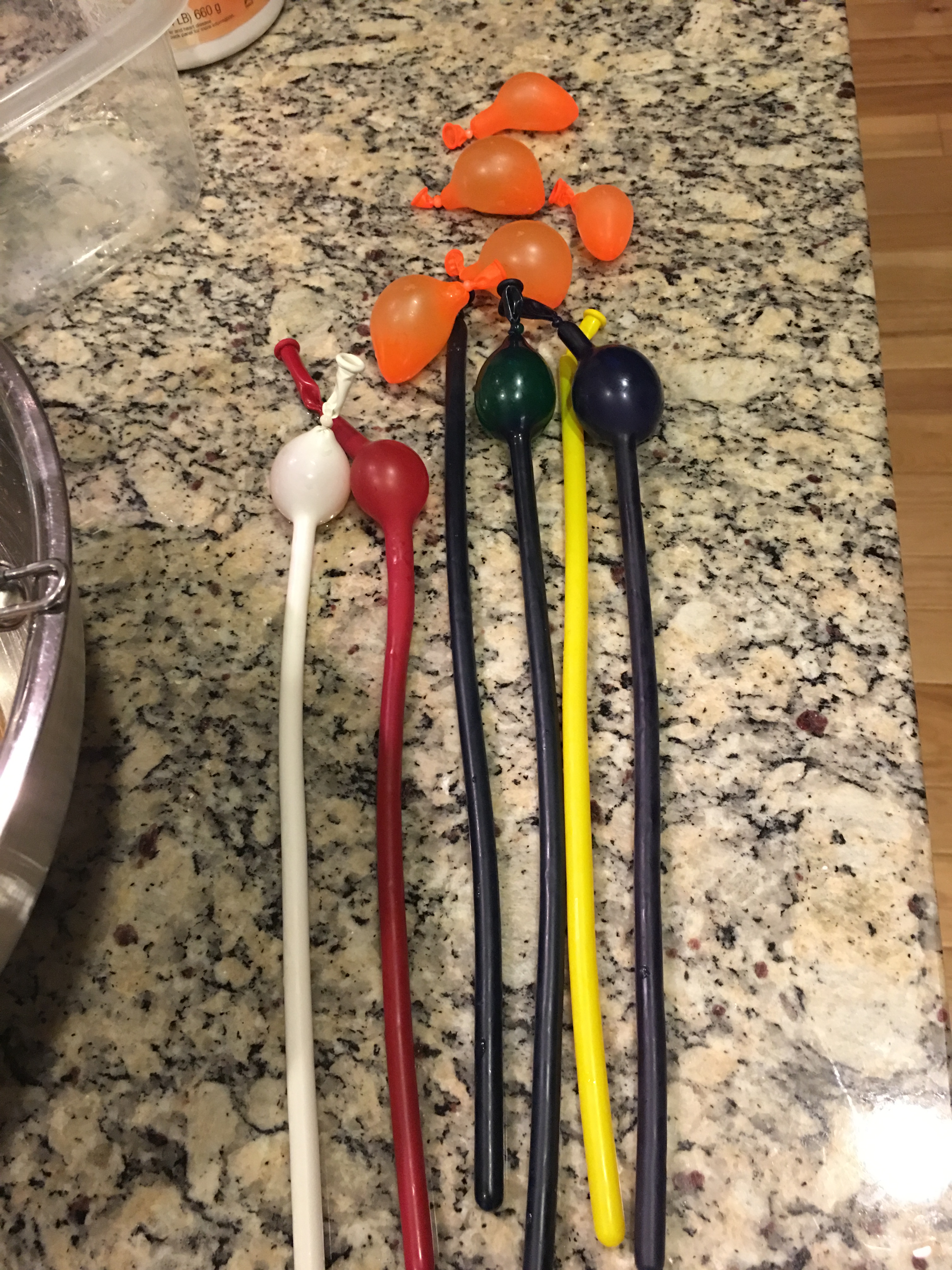
Tie Testicular and Epididymal Balloons Together
Tie the water balloon (testicle) and the long/thin balloon (epididymis/spermatic cord) together so they do not migrate too far apart from each other during the remaining steps.
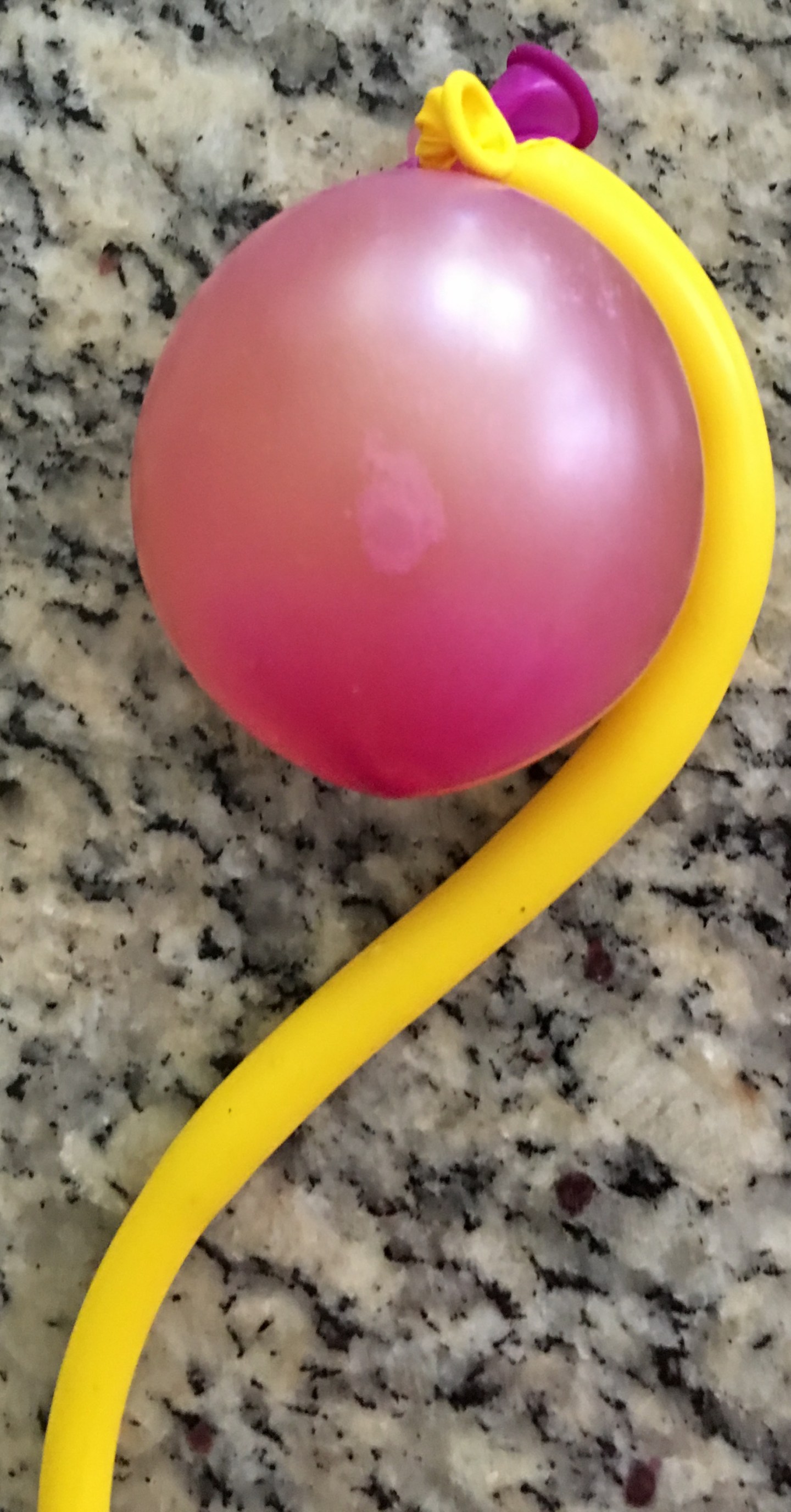
Insert Balloons into Large Party Balloon
Insert the tied pair of balloons (testicle and epididymis) together into a large party balloon. This step is best accomplished with two people.
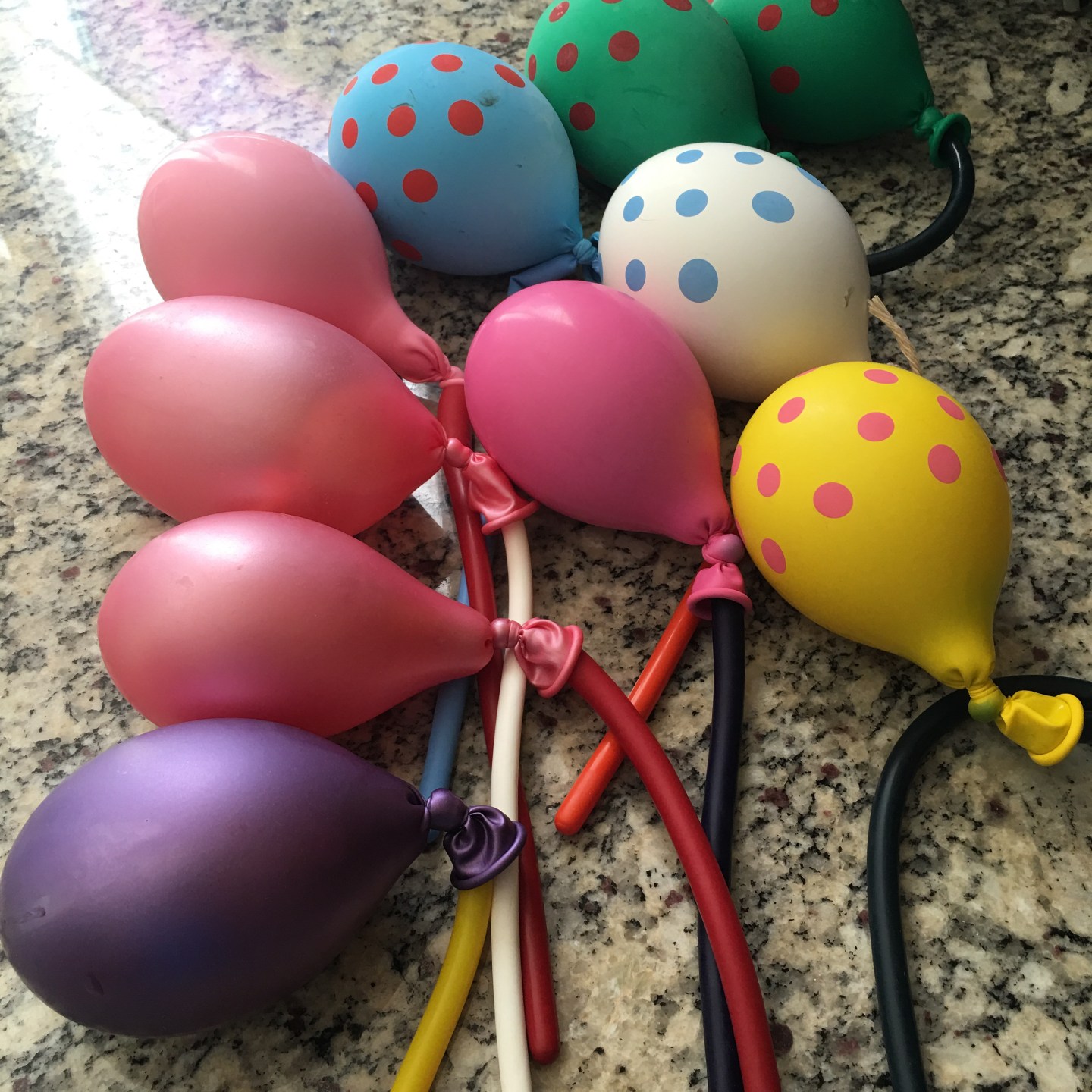
Add Water for Hydrocele Effect
Fill the large party balloon with some water around the inner balloons. This water simulates a hydrocele on ultrasound, adds pathology to the model, and also aids in visualization of the testicle and epididymis. Tie the balloon off. Ensure all air is removed.
Create Testicular Rupture Models (Optional)
For testicular rupture models, do not add water to the outer large balloon. Instead, use a skewer to rupture the inner water balloon (testicle), then tie the large balloon closed. Insert this assembly into a second large party balloon, add water around it to simulate a hematocele, and tie that outer balloon off.
Refrigerate Overnight to Solidify
Place all completed balloon models in the refrigerator overnight to allow the gelatin/psyllium solution to fully solidify. In all steps throughout the build process, be careful to remove all air from the balloons.
Author
Michael Schick, DO
Sonostuff
Comments
No comments yet. Be the first to share your thoughts.